File Request Tool Explained (With Examples)
Requesting files should be simple. But in reality, asking someone to send files often turns into a long back-and-forth: permission requests, login issues, or attachments that never arrive.
This is where a file request tool becomes useful. Instead of asking people to share access or send files manually, you give them a single link where they can upload files safely.
In this article, we’ll explain what a file request tool is, how it works, and when it makes the most sense to use one.
What Is a File Request Tool?
A file request tool lets you request files from other people using a link.
Instead of sharing your storage or asking for email attachments, you create a request page. Anyone with the link can upload files, but they cannot see your folders or other files.
In simple terms:
- You request files
- They upload files
- You receive them in one place
No accounts, no permissions, no confusion.
Why Traditional File Requests Don’t Work Well
Most people still request files using outdated methods.
Common problems include:
- Shared folders require access approval
- Uploaders need a Google or Dropbox account
- Email attachments fail for large files
- Files arrive scattered across inboxes
These issues slow people down and often result in missing or incomplete submissions.
How a File Request Tool Works
A file request tool creates a one-way upload path.
You decide where files should go and how uploads are handled. Uploaders only see a simple upload form, not your storage.
A typical file request flow looks like this:
- You create a file request page
- You share the upload link
- Others upload files
- Files are saved automatically
This approach keeps your files organized and your storage private.
How to Use a File Request Tool Step by Step
Create a File Request Page
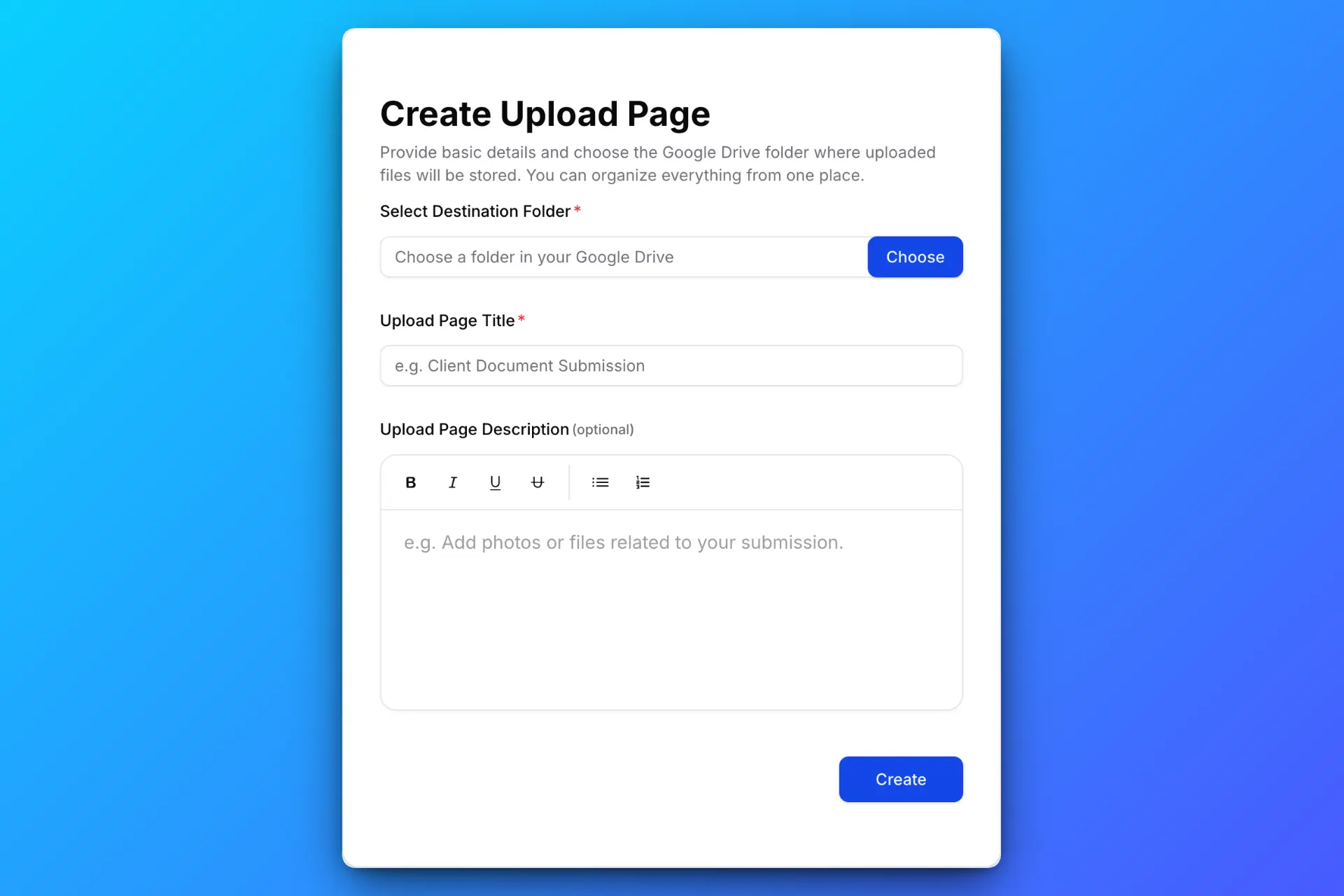
Set a title and description so uploaders know what to submit. Choose the destination folder where all files will be stored.
You can also configure rules such as file size limits, expiration dates, or password protection.
Share the Request Link

Send the link via email, messaging apps, or embed it on your website. Uploaders do not need an account and don’t need access to your storage.
Uploaders Submit Files
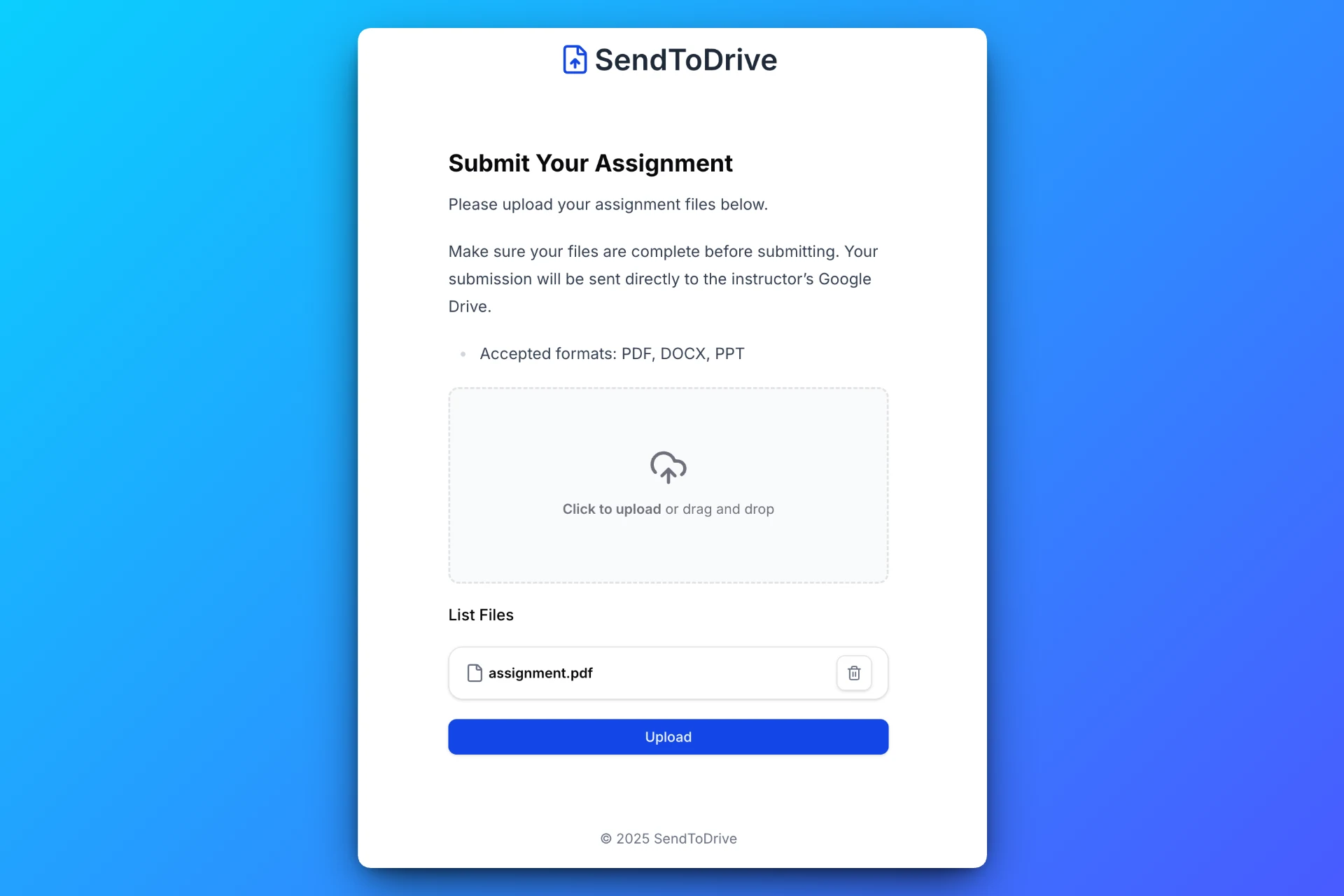
Uploaders see a simple drag-and-drop interface. They can upload files without seeing any other submissions.
Files Are Stored Automatically
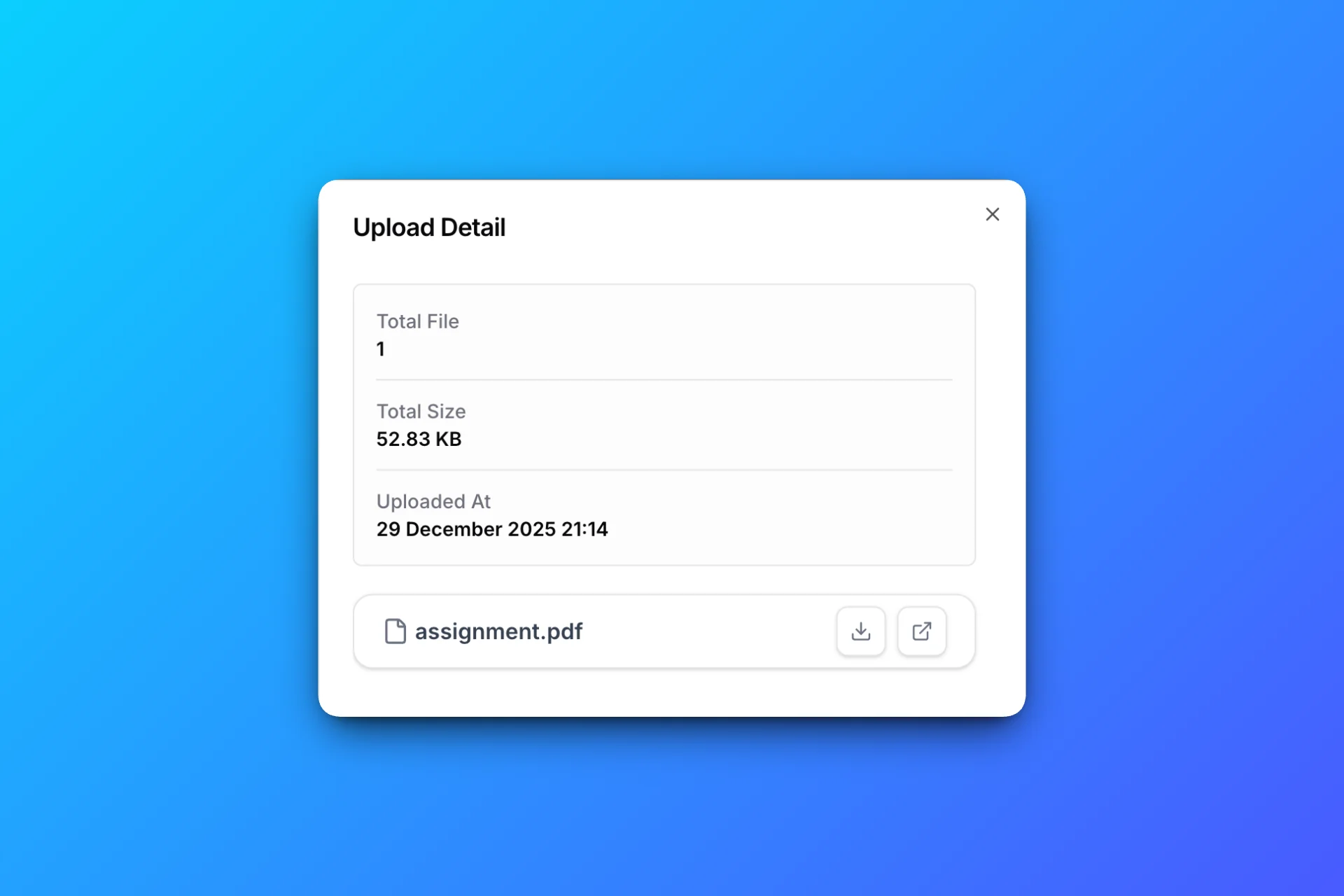
All files are delivered directly to your chosen folder, organized and ready to use.
Real Examples of File Request Tools in Action
Collecting Documents from Clients
Consultants, agencies, and service providers often need clients to submit documents. A file request tool replaces email attachments and keeps everything in one folder.
Receiving Large Files
Videos, high-resolution images, and ZIP files are difficult to send via email. A file request tool removes size limits and failed uploads.
Gathering Files from Multiple People
When collecting files from many contributors, a file request link ensures everything goes to the same place without manual sorting.
What to Look for in a Good File Request Tool
Not all file request tools work the same way.
A good tool should offer:
- No login required for uploaders
- No visibility into your files
- Secure uploads
- Optional limits and password protection
- Automatic file organization
The goal is to make uploads easy for others while keeping control on your side.
Using SendToDrive as a File Request Tool
SendToDrive works as a simple and secure file request tool built on top of Google Drive.
With SendToDrive:
- You create a file request link in minutes
- Uploaders don’t need Google accounts
- Files go directly into your Google Drive
- Your Drive stays private and secure
It’s designed for people who want a clean, professional way to request files without building custom systems.
Frequently Asked Questions
Do uploaders need an account to use a file request tool?
No. A file request tool allows anyone with the link to upload files without creating an account.
Can I control what files people upload?
Yes. You can set limits on file size, expiration, and add password protection if needed.
Are file request tools secure?
Yes, when implemented correctly. Uploaders can submit files but cannot view or access your storage.
Where do the files go?
Files are saved automatically to the destination folder you choose.
Final Thoughts
A file request tool removes friction from file collection. Instead of chasing attachments or managing permissions, you get a simple upload link that works for everyone.
👉 Try SendToDrive and start requesting files with a simple, secure link.